Water Treatment Systems in Montgomery and Bucks County

Hard water destroying your fixtures? Iron staining everything orange? Concerned about PFAS or contaminants in your well water? We test your water, identify exactly what is in it, and install the right treatment system to fix it. Serving homes on both well water and municipal water throughout Montgomery and Bucks County.
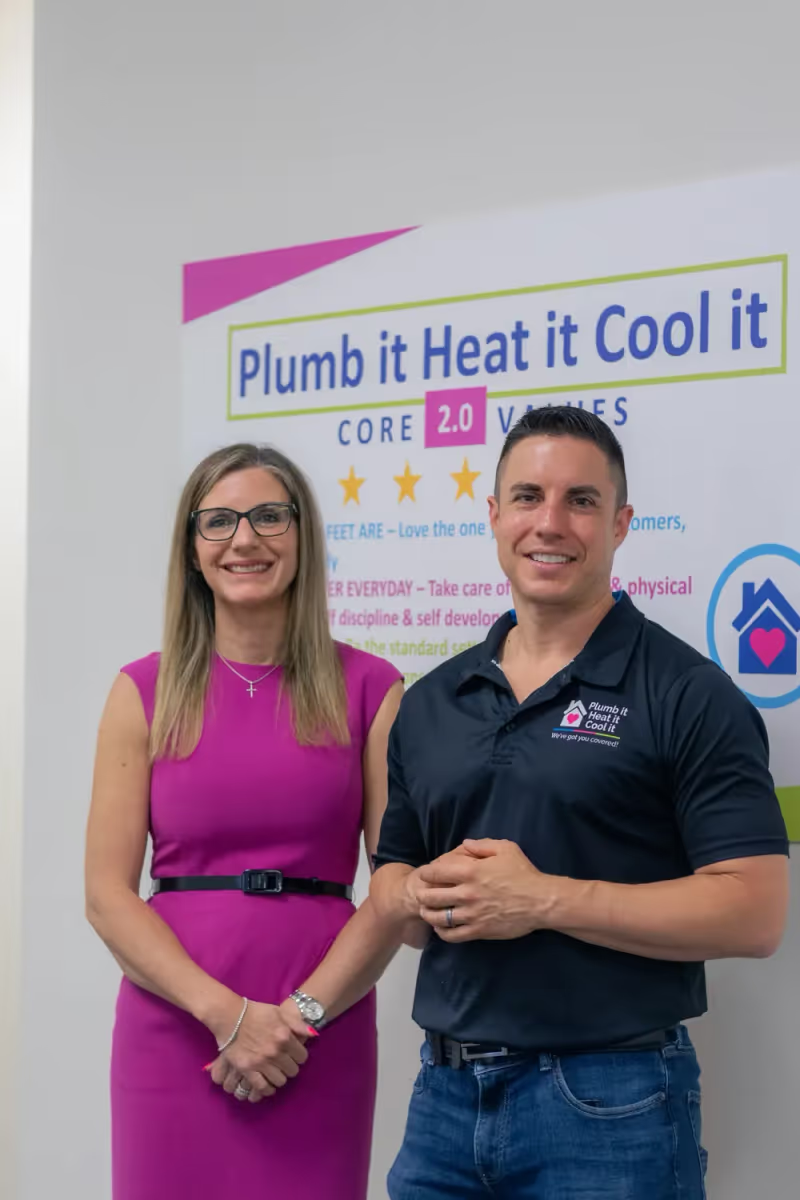
Plumb it Heat it Cool it licensed technicians
4.9
778+ Google Reviews

Common Water Problems in Montgomery and Bucks County

The limestone and dolomite bedrock in our area dissolves calcium and magnesium into the groundwater, creating hard water that scales fixtures, dries out skin and hair, and shortens the life of water heaters and appliances. Pennsylvania averages around 150 parts per million in hardness, and many homes here test well above that.

Iron and manganese are the next most common issues, especially on well water. Iron leaves orange stains in sinks and tubs. Manganese leaves black stains. A state report found excessive iron in 17% of Pennsylvania private wells.

Low pH (acidic water) silently corrodes copper pipes from the inside, causing blue-green stains and eventually pinhole leaks. Hydrogen sulfide creates the rotten egg smell many well owners deal with. Both are treatable with the right equipment.

Not sure what is in your water? We test it on-site and explain exactly what each result means for your home and plumbing.

Schedule a Water Test

PFAS Contamination: A Local Issue

Bucks and Montgomery Counties are at the center of one of the most significant PFAS contamination events in the country. AFFF firefighting foam used for decades at military installations in Warminster, Willow Grove, and Horsham has been spreading through groundwater for over 50 years.

Horsham, Warminster, and Warrington have been hit hardest, with private wells testing at elevated PFAS levels. Municipal systems including the Bucks County Water and Sewer Authority and Doylestown Township have also reported detectable levels. Nearly 19% of PA water systems tested exceed the new EPA standards.

PFAS exposure has been linked to kidney and testicular cancer, thyroid dysfunction, and immune system effects. Reverse osmosis and activated carbon filtration are the two most effective residential treatment methods. If you are anywhere near these areas, testing is strongly recommended.

Check Your Water Quality by Zip Code

Systems We Install and Service

Every system solves a specific problem. We always start with a water test before recommending equipment.

Water Softeners: Remove calcium and magnesium that cause hard water, scale, dry skin, and appliance damage. The most common system we install.
Iron and Manganese Filtration: Eliminate orange and black staining, metallic taste, and sediment. Essential for many well water homes.
Acid Neutralizers: Raise the pH of acidic water to stop pipe corrosion, blue-green stains, and pinhole leaks.
Reverse Osmosis: Under-sink systems that remove up to 99% of dissolved contaminants including PFAS, lead, and arsenic.
Whole-Home Carbon Filtration: Remove chlorine, chemical taste, and certain PFAS from every tap. Ideal for municipal water.
UV Disinfection: Kill 99.9% of bacteria and viruses without chemicals. Required for wells that test positive for coliform.
Sulfur Removal: Eliminate the rotten egg smell from well water before it reaches your taps and water heater.
Sediment Filtration: Remove sand, silt, and debris. Often installed as a pre-filter to protect other equipment.
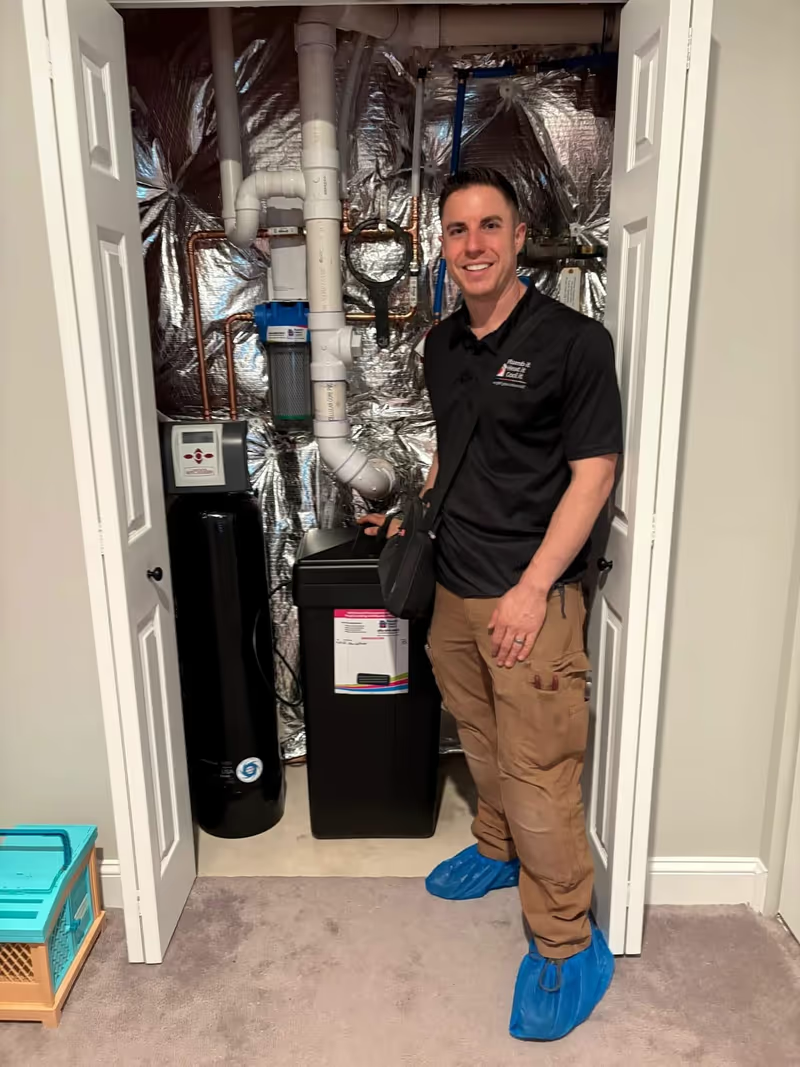
Plumb it Heat it Cool it technicians ready to help with water treatment
Get a Recommendation for Your Home

Well Water vs. Municipal Water

About 23% of Montgomery County homes are on well water with no treatment plant between the ground and the tap. Common issues include hardness, iron, low pH, sulfur, bacteria, and in some areas PFAS. Pennsylvania recommends annual well testing, and roughly half of private water systems in the state fail at least one drinking water standard.

Municipal water is treated for safety but often still has hard minerals, chlorine taste, and trace contaminants. Depending on the age of your home and local infrastructure, lead and sediment can also enter after the water leaves the treatment plant.

Whether you are on well water or public water, the process is the same: we test first, then recommend only what addresses your specific results.

Book Your Water Test Today
How It Works

Here's What to Expect

See how we work. Transparent, professional service from start to finish.

Watch: What It's Like Working With UsReal customers, real results
1

Call and Describe Your Water Issues

Tell us what you are dealing with. Stains, smell, taste, dry skin, or general concerns about water quality. We will schedule a visit to test your water and assess the situation.

2

Water Testing and Assessment

We test your water on-site and explain your results in plain language. You will see exactly what is in your water and what each number means for your home, your plumbing, and your family.

3

Recommendation and Upfront Pricing

Based on your test results, household size, and plumbing setup, we recommend only the equipment that solves your specific problems. You get a clear price before any work begins. No upselling.

4

Professional Installation and Testing

We install the system, tie into your existing plumbing, set up bypass valves, program settings for your water conditions, and test everything before we leave. Done right the first time.

Warning Signs

Signs Your Home Needs Water Treatment

White chalky scale buildup on faucets, showerheads, and inside your kettle
Orange, rust, or brown stains in sinks, tubs, toilets, and on laundry
Blue-green stains around drains or on shower walls from acidic water corroding copper pipes
Rotten egg smell from your taps, especially hot water
Chlorine taste or chemical smell in your drinking water
Dry, itchy skin and dull hair after showering
Spots and film on dishes and glassware even after washing
Cloudy, discolored, or sediment-filled water
Recurring plumbing problems like clogged aerators or reduced water flow
Your home is near Horsham, Warminster, or Warrington and you have not tested for PFAS

Noticing any of these? Don't wait for it to get worse.

Call 484-616-0539 Now
Why Choose Us

Why Homeowners Trust Us

We Test Your Water First

Every recommendation starts with an actual water test. We identify your specific contaminants and water chemistry before suggesting any equipment. No guessing, no one-size-fits-all sales pitch.

Plumbers Who Understand Water Treatment

We are licensed plumbers, not just equipment salespeople. We understand how treatment systems integrate with your home plumbing, water heater, and fixtures. Proper installation is what makes equipment actually work.

We Service All Brands

We repair and maintain water treatment equipment from every major manufacturer, not just what we install. If your existing system needs attention, we can help regardless of the brand or who installed it.

0 Payments & 0% Interest for 12 Months

Get the service you need now and pay over time with flexible financing options.

View Financing Options
What Our Customers Say

Real Reviews From Your Neighbors

4.9 average · 778+ Google reviews

Installed a water softener and the difference is amazing. No more scale on everything and our skin feels so much better. Great recommendation.

Laura P.Google

We were concerned about water quality with a newborn. They tested our water, explained everything, and installed a whole-home filter. Peace of mind.

Kevin M.Google

Iron stains on everything for years. They installed an iron filter and water softener and the stains are gone. Wish we had done this sooner.

Diane G.Google
Read All Reviews
FAQ

Common Questions

It starts with a water test. We test your water to identify the specific contaminants, hardness level, pH, iron content, and other factors that determine which system your home needs. The right system depends entirely on what is in your water, your household size, and your plumbing setup.

Often yes. Municipal water is treated for safety but can still contain chlorine, hardness minerals, sediment, and trace contaminants. Many homeowners on public water benefit from a water softener for hard water or a whole-home carbon filter to remove chlorine taste and chemical odors.

Pennsylvania recommends testing private wells annually for bacteria and nitrates. A broader panel including pH, hardness, iron, manganese, and other contaminants should be done every three to five years, or whenever you notice changes in taste, color, or smell. If you are near a known contamination site, more frequent testing is recommended.

If your home is in Bucks or Montgomery County, especially near Horsham, Warminster, Warrington, or Willow Grove, PFAS testing is strongly recommended. Both private wells and some municipal systems in this area have tested positive for PFAS. Reverse osmosis and activated carbon filtration systems can effectively reduce PFAS levels in your drinking water.

A water softener specifically removes calcium and magnesium that cause hard water, scale, and soap scum. A water filter removes contaminants like chlorine, sediment, iron, or chemicals depending on the filter type. Many homes in our area benefit from both. They solve different problems and work together.

Yes. We service, repair, and maintain water softeners and filtration systems from all major manufacturers. If your system needs salt, new filters, media replacement, or a repair, we can help regardless of who installed it or what brand it is.

Most single-system installations like a water softener or iron filter are completed in half a day. More complex installations involving multiple systems or significant plumbing modifications may take a full day. We schedule the work and give you a clear timeline before we start.

The rotten egg smell is hydrogen sulfide, a naturally occurring gas in groundwater that is common in well water throughout Montgomery and Bucks County. It can also develop inside your water heater. A sulfur removal system eliminates the odor at the source. If the smell is only in hot water, the issue may be your water heater anode rod.

Yes. Hard water is one of the most common causes of dry skin, itchy scalp, and dull hair. A water softener removes the hard minerals that prevent soap from rinsing cleanly and leave a residue on your skin and hair. Most customers notice the difference within days of installation.

Water softeners need salt replenished regularly, typically every few weeks to a couple of months depending on usage. Iron filters and acid neutralizers need media replaced every few years. Carbon filters need cartridge or media changes on a schedule. Reverse osmosis systems need filter and membrane replacement annually. We can set up a maintenance schedule for any system.

Explore More

Related Services

Ready?

Schedule Your Service Today

Whether it's an emergency or routine maintenance, our team is ready. Book online in 30 seconds or give us a call.

Same-day appointments
No overtime charges
Satisfaction guaranteed
Plumb it Heat it Cool it technician in front of service truck
Call NowBook Online